What it really takes to Design with Country
By Troy Casey, Managing Director of Blaklash
Country: -
Client: -
Location: -
For too long, Australia’s built environment has been designed to keep us out, to move community to the fringes and restrict our ability to feel safe and welcome on our own lands. Developments have, and continue to be, shaped without listening to the voices of the world’s oldest continuing cultures. Buildings and public spaces have been designed and delivered as if Country was not a stakeholder. Something to be built upon, not cared for, respected or engaged with.
I’ve spent the last decade working with communities to embed First Nations voices into the built environment. As the industry continues to embrace Designing with Country, it’s important to understand what can seem simple on paper may be far more complex in practice. It requires genuine engagement instead of token consultation, processes that honour cultural protocols and authority, and shaping outcomes that truly deliver value for First Nations communities.
As built environment practitioners we are all complicit in some way in the impact that development has on Country. There is no sugar coating this or pretending otherwise.
Our role in projects is to advocate for better, for Country, Culture and Community. We will be the first to admit we don’t always get this right, but without a voice at the table who is advocating for our mob?
When community voices are embraced, the opportunities are endless. Community see themselves reflected in projects, and the built environment gains a sense of meaning and integrity that can’t be achieved through surface gestures alone.
Across the industry, Designing with Country is becoming more widely recognised and adopted. In New South Wales, the Connecting with Country Framework has made engagement mandatory on major state-significant projects. In Queensland and across the continent, there’s increasing demand from developers, architects and government to bring First Nations voices into projects.
It’s important to recognise, however, that momentum alone doesn’t equal meaningful practice. If Designing with Country is treated as a tick box exercise or an afterthought, it fails to deliver on its potential. The complexity lives in how deeply community voices are brought into the process, and the willingness to shift the dial in response to what is heard.
Here’s what it takes to do this work properly, and why it matters.
- Everything starts with Country. True Country-Centred Design begins before a single line is drawn. When embedded early, the results are more meaningful for First Nations communities and deliver stronger, more sustainable outcomes for everyone.
- Respect cultural protocols and authority. Designing with Country means navigating complex cultural protocols, politics and histories that shape who has the right to speak for Country. It takes time, trust and long-standing relationships to do this work properly.
- Engagement replaces consultation. Historically, consultation has meant notifying communities of decisions that have already been made. In my opinion, engagement is different. It invites communities to shape outcomes, embed stories and share in the benefits along the way. Projects only earn trust when that influence is real and transparent.
- Fair pay is non-negotiable. Designing with Country draws on community knowledge passed down through generations. This must be recognised, valued and remunerated. Best practice means paying community for their time and expertise.
- Make it business as usual. For Designing with Country to become standard practice, it needs to be everyone’s responsibility. It requires policy to set expectations, clients who trust in the process and designers open to shifting their approach. When those three things come together, outcomes are more meaningful and enduring.
Embedding Country from the start🔗
Too often, we’re told we’re being brought in “at the start,” only to be handed plans and renders that have already locked in major design decisions. That’s not the start. The real start is before a single line is drawn.
Country-Centred Design means each layer of a project, from the selection of the site, the orientation of the building, the spatial arrangement, the materials chosen, and the surrounding landscape all hold meaning connecting back to Country, culture and community.
It means asking questions like: What has this place always been? How do its stories shape the way we connect with it? What relationships already exist here – cultural, spiritual, ecological, historical – and how do we honour them in the design?
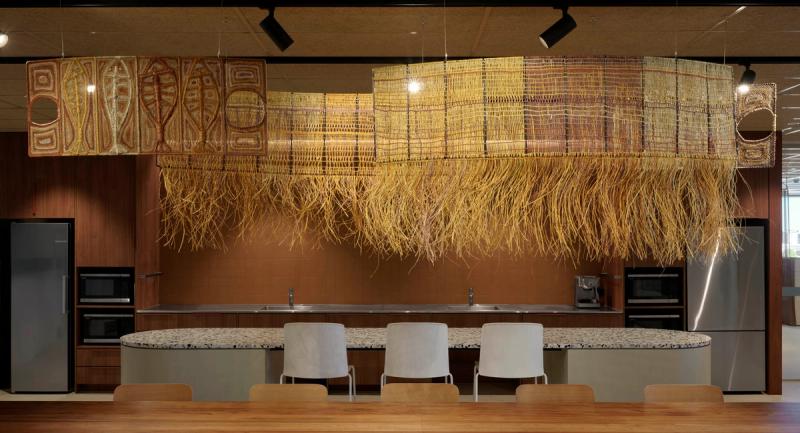
When engagement happens late, it gets reduced to surface-level gestures. A mural in the foyer. Some vinyl decals with motifs on the meeting rooms. Those can be beautiful and beneficial, but they shouldn’t be the default. We want to avoid rinse-and-repeat outcomes. Designing with Country is about thinking differently, not deferring to the same tropes. When we embed Country from the beginning, we know the outcomes will always be better.
If the starting point from community is that the best outcome for Country is to leave the site alone, while the developer’s desired outcome is a 40-storey tower, that’s a challenging space to negotiate. Like community, we understand that development can feel inevitable, so our responsibility is to minimise the impact on Country and create opportunities in the process.
That might mean designing buildings to six-star Green Star standards, which benefits developers through efficiency and end users through lower running costs. It might mean replanting endemic species and restoring ecosystems, creating landscapes that are healthier and more resilient for the whole community. It might mean employment and training opportunities, or procurement pathways for First Nations businesses to help strengthen the blak economy.
These are project outcomes shaped by First Nations voices, but they create places that are more sustainable, more resilient, more inclusive, and ultimately better for everyone who uses and experiences them.
Navigating protocols and politics🔗
Designing with Country involves navigating layers of politics, cultural protocols and community relationships, and doing so with sensitivity and care. Without understanding and respecting cultural authority, the work loses authenticity.
Urban settings, in particular, are deeply complex. Many of our cities were built where our communities were flourishing, around rivers and waterholes with an abundance of resources. Colonisation pushed communities outward, putting pressure on those relationships and connections. When you add the complications of Native Title, which in urban areas can be contested or unresolved, you get overlapping claims and nuanced relationships between families and groups.
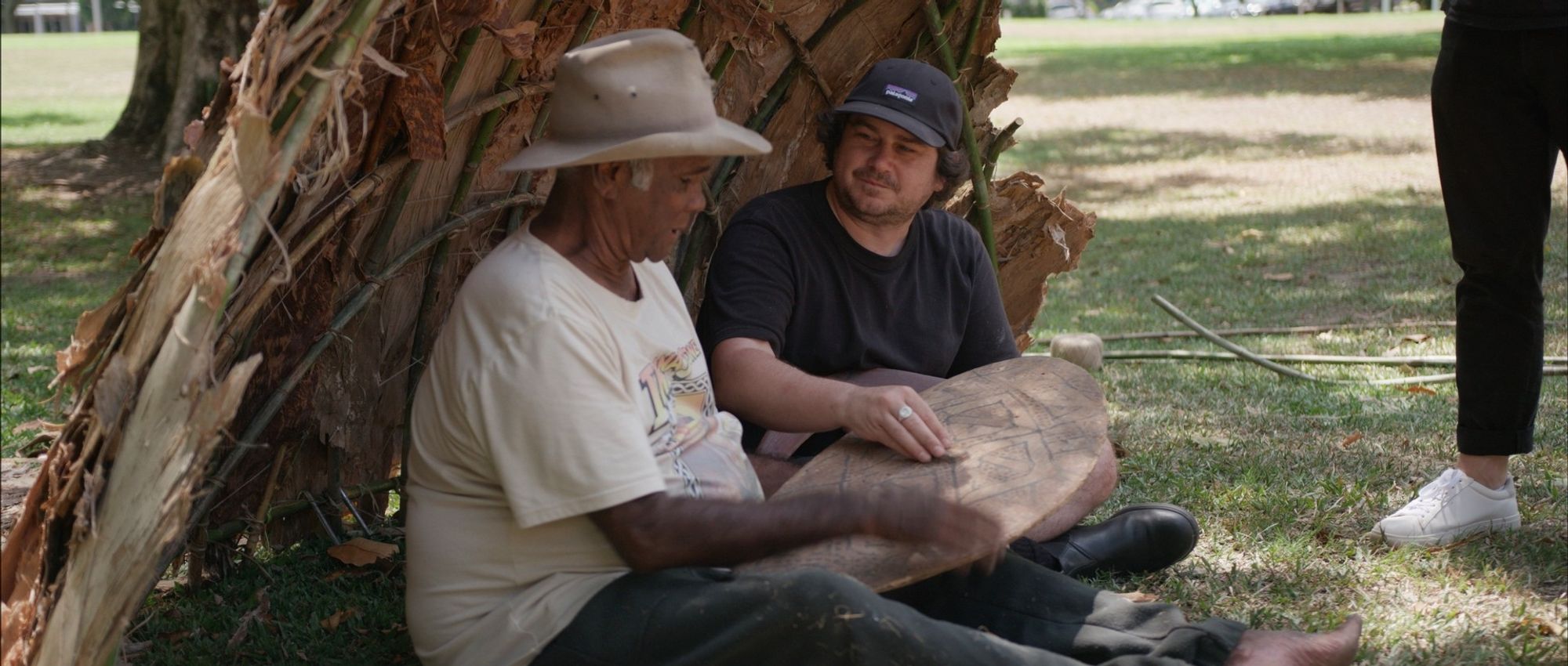
The only way through those complexities is with openness, honesty and transparency. In some cases multiple groups need to be consulted to make space for these challenging histories. That knowledge and trust can’t be picked up overnight. It’s taken a lifetime to know who to speak to, when and how. No amount of goodwill can shortcut this.
Every Blaklash project is underpinned by relationships and understandings built through being part of the community. When you engage us, you benefit from that collective experience and the trust it represents. It’s what enables us to deliver meaningful outcomes with and for community.
From consultation to engagement🔗
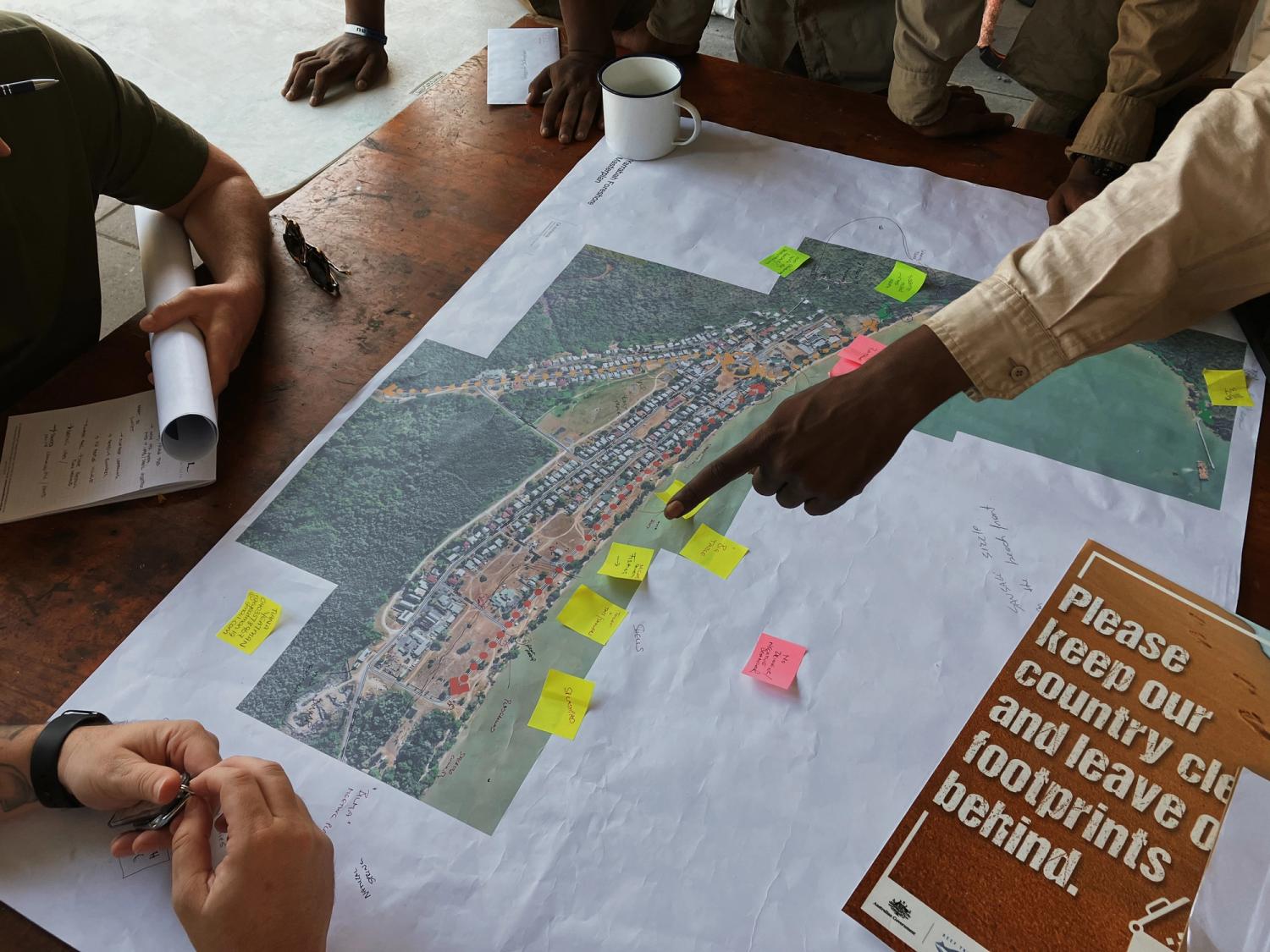
One of the most important shifts I’ve seen in recent years is the move from “consultation” to “engagement.”
Consultation, in practice, has previously meant: “We’ll let you know this thing is happening, and we hope you’re okay with it.”
Engagement means something very different: “We want to work with you to understand how you want to influence outcomes, how you want your culture and stories to be represented, and how this project can deliver benefits back to the community.”
This is a fundamental shift, because it acknowledges that Aboriginal and Torres Strait Islander communities are custodians of knowledge that can shape projects for the better.
It’s also a shift that requires trust and understanding, because true engagement centres relationships, and being open to how community input changes a project. It means clients and design teams have to be honest about what’s on the table, what’s not, and where compromises will need to be made.
At Blaklash, it’s important we interrogate these questions with clients before we go out to community. What are you genuinely willing to explore? What’s non-negotiable? Where can we create influence within the project to reflect community voices? We all need that clarity before we engage with the mob. That clarity makes the engagement authentic, not performative.
Transparency is critical. If communities are led to believe they’ll have influence over outcomes that were never possible then engagement becomes tokenistic, and trust is lost.
Best practice means fair compensation🔗
Designing with Country is not free labour. If you’re drawing on community knowledge, expertise or Indigenous Cultural and Intellectual Property (ICIP), it has to be recognised and remunerated.
At Blaklash, we’ve worked hard to establish best-practice approaches around ICIP. We include Traditional Custodian engagement as a line item in every project scope. Community members are paid for their time, knowledge and contribution, just as you would pay any other consultant.
Five or six years ago, this approach was questioned. “Do we really have to pay for that?” was something we heard regularly. Today, repeat clients not only understand why it matters but know it creates better outcomes; they will double-check whether the fees have been included and are appropriate for the amount of engagement required. That tells me the bar is lifting.
And it needs to. Right now, communities are being pushed and pulled in a million different directions as more projects seek to Design with Country, and that demand can quickly become a burden if people aren’t properly compensated.
Policy, trust and the path forward🔗
For Designing with Country to become business as usual, we need three things: policy leadership, client trust, and innovation in design.
Policy matters because it sets expectations. In New South Wales, the Connecting with Country framework has become a north star. All state-significant projects must engage, and as a result, it’s becoming second nature across the industry. We need the same kind of leadership in Queensland and beyond, not as a burden, but as a guide that creates safety and clarity for communities and clients alike.
Trust matters because no policy framework can replace the strength of relationships. It’s not only about trusting Blaklash to deliver; it’s about trusting the communities, protocols and knowledges that underpin the work.
And innovation matters because Designing with Country can’t be reduced to a single template. We need to explore spatial arrangements, materials, landscapes, wayfinding; every aspect of design that can be shaped by culture and Country. That’s where the real opportunity lies.
Designing with Country is a way of working that should become the norm for all major public projects on this continent, and I genuinely believe the future of design in Australia depends on this. It depends on policymakers creating clear frameworks, on clients trusting Indigenous-led organisations, and on designers and developers being brave enough to think differently.